

Views: 222 Author: Loretta Publish Time: 2025-12-29 Origin: Site


Content Menu
● The Role of the Air Intake Hose
● When Is Oil in the Intake Hose Normal?
● Common Causes of Oil in the Air Intake Hose
>> 1) Blocked PCV Valve or Ventilation Lines
>> 2) Worn or Damaged Piston Rings
>> 3) Turbocharger Seal Failure
>> 4) Engine Sludge or Restricted Oil Return Paths
>> 5) Over-Oiled Performance Air Filters
● Why Oil Accumulation Is a Problem
● How to Clean the Air Intake Hose and System
● Why Hose Material and Construction Matter
● Practical Tips to Prevent Oil Contamination
● Summary
● FAQ
>> 1) Why is there oil in my air intake hose?
>> 2) Is it safe to drive with oil inside the intake hose?
>> 3) How can I fix oil buildup in the intake hose?
>> 4) Does replacing the hose resolve the issue?
>> 5) Which hoses perform best in oily environments?
Finding oil inside your air intake hose can be alarming, yet it's a surprisingly frequent issue faced by car owners and mechanics alike. For some, a faint residue may appear after regular use and indicate nothing unusual. For others, visible oil puddling could hint at aging engine components or ventilation failure. Understanding why oil enters the hose—and how to prevent it—can determine whether your engine stays efficient or develops costly problems.

The air intake hose channels filtered air from the airbox to the throttle body or turbocharger. This airflow supports the combustion process, providing oxygen necessary for the engine to burn fuel efficiently. A well-maintained hose helps the mass airflow (MAF) sensor produce accurate readings, ensures balanced air–fuel mixtures, and prevents unmetered air from entering the system.
When oil appears inside this hose, it usually originates from the Positive Crankcase Ventilation (PCV) system. The PCV line collects vapors and gases produced from combustion leakage and directs them back to the intake to be burned again. While this design helps reduce emissions, it also allows traces of oil mist to settle within the intake path over time. A light coating is harmless—but heavy accumulation signals trouble that must be investigated.
Most modern engines will display a thin oil film inside their intake hoses. This residue develops naturally as oil vapors cool and condense during normal ventilation. It provides a faint oily sheen that appears after several thousand kilometers of use.
However, when the amount of oil is excessive—thick layers, wet droplets, or visible pooling—it could stem from problems such as a faulty PCV valve, worn turbocharger seals, or piston ring wear. The key lies in recognizing the difference between acceptable and abnormal conditions:
- Normal: Light coating with no smoke, odor, or oil loss.
- Abnormal: Heavy oil buildup, damp air filter, or visible smoke from the exhaust.
- Critical: Oil dripping into the throttle body or coating the intake manifold.
Distinguishing between these stages ensures you act before more severe mechanical damage occurs.
Many vehicle components influence the amount of oil that enters the intake system. Here are the most common culprits and what they reveal about engine health.
The PCV valve regulates crankcase pressure by allowing trapped gases and oil vapors to return to the intake manifold. When this valve becomes clogged, crankcase pressure builds up and forces oil through weaker seals or directly into the intake. A blocked PCV line may also carry liquid oil through the connecting oil hose.
Typical warning signs include:
- Rough idle or stalling.
- Increased oil consumption.
- Sludge or milky deposits near valve cover hoses.
- Whistling noises from pressure leaks.
Fix: Replace the PCV valve, clean the ventilation hoses, and ensure that the lines remain free of blockages or sludge buildup.
As piston rings wear, combustion gases escape into the crankcase, increasing internal pressure and forcing oil vapor upward into the intake. This condition, often called “blow-by,” delivers both fumes and oil particles through ventilation lines into the intake hose.
Symptoms and risks:
- Blue exhaust smoke during acceleration.
- Noticeable power loss or compression drop.
- Increased oil consumption beyond normal levels.
- Heavy residues inside the intake manifold.
Worn rings represent a more serious issue requiring mechanical repair. Short-term solutions may include higher-viscosity oil or fuel additive treatments, but long-term resolution requires an engine overhaul or replacement.
Engines equipped with a turbocharger rely on engine oil to lubricate the turbo's bearings. Over time, the sealing rings inside the turbocharger can degrade, allowing oil to leak into the compressor housing. This oil then travels through the intercooler and into the intake hose.
Typical warning signs:
- Blue-grey exhaust under acceleration.
- Loss of boost or performance.
- Oily film downstream of the turbocharger.
- Loud whining from the turbo shaft.
If confirmed, the turbo must be inspected and likely rebuilt or replaced. Continued operation with a leaking turbo can contaminate sensors, exhaust systems, and catalytic converters.
Old oil, cheap lubricants, or delayed oil changes can create sludge that clogs return channels in the cylinder head. Restricted flow causes oil to accumulate, then it's drawn into the PCV system and carried into the intake hose.
Warning indicators:
- Thick sludge under the oil filler cap.
- Sticky PCV valve and contaminated breather hoses.
- Inconsistent oil pressure or lifter noise.
Performing frequent oil changes with certified lubricants and periodically flushing the crankcase can stop recurrence. Cleaning or replacing the clogged oil hose is often necessary to restore proper flow.
Some reusable aftermarket air filters require oiling to trap fine dust. Over-application of filter oil can allow droplets to separate and migrate down the intake tract. This often results in sensor contamination and abnormal idle behavior.
Symptoms include:
- Erratic idle speeds.
- Reduced fuel efficiency.
- MAF sensor contamination or electrical codes.
Cleaning the sensor with suitable cleaners and correctly oiling (or switching to a dry-type filter) resolves the issue. Always allow newly oiled filters to dry before installation.
Excess oil in the intake hose or manifold can impact both performance and emissions:
- Airflow obstruction: Oil layers reduce the internal diameter of hoses and throttles, restricting airflow.
- Sensor malfunction: Oil contaminates the MAF and intake temperature sensors, leading to incorrect readings.
- Combustion inefficiency: Mixed air and oil lower the effective octane rating of fuel, potentially causing engine knock.
- Catalytic converter fouling: Burning excess oil leads to unburned hydrocarbons and early catalyst failure.
- Turbo and intercooler damage: Oil buildup restricts airflow and can overheat pressure systems.
Consistently monitoring and cleaning the intake system ensures reliable operation and extends the life of expensive components.
When inspection reveals oily residue, a controlled cleaning procedure can restore proper engine breathing without damaging sensors or nearby systems.
1. Disconnect the intake system: Safely remove the hose from the airbox and throttle body.
2. Assess contamination: Check its inner surface; a thin film is acceptable, but pooled oil demands deeper cleaning.
3. Clean with compatible agents: Use automotive degreasers or mild intake cleaners approved for rubber or TPU hoses. Avoid harsh solvents that degrade materials.
4. Dry thoroughly: Let all hoses and components dry completely before reassembly to prevent unmetered air.
5. Inspect the PCV and oil hose lines: Replace cracked, soft, or swollen components that may have lost chemical resistance.
6. Reassemble firmly: Tighten clamps evenly and ensure a complete seal at every joint.
After cleaning, monitor the system over several driving cycles. If oil quickly reappears, underlying mechanical problems might remain unresolved.
A hose performs well only when designed with the right materials for its environment. In engines and industrial systems alike, hoses face oil exposure, heat, and continuous vibration. Choosing advanced materials makes a measurable difference in longevity and safety.
Essential qualities of high-grade hoses:
- Oil and fuel resistance: Prevents swelling, hardening, or cracking due to oil and vapor exposure.
- Thermal stability: Withstands high under-hood temperatures without deforming.
- Pressure resilience: Handles vacuum and boost conditions without collapsing.
- Flexibility and abrasion resistance: Promotes easy routing while resisting friction and aging.
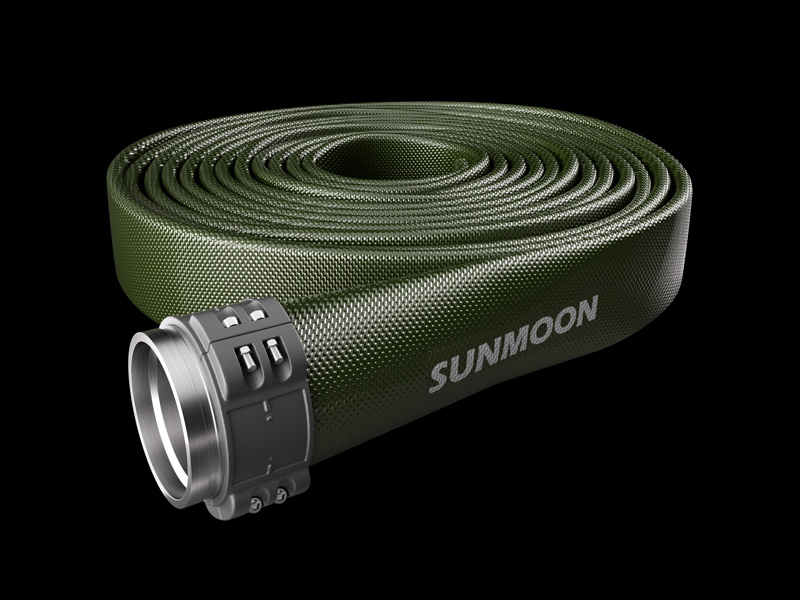
Modern thermoplastic polyurethane (TPU) hose technology provides exceptional performance across these factors. Its seamless coating resists oil degradation while maintaining tensile strength and elasticity under continuous mechanical stress. In both vehicles and industries—such as oil transport, mining, and emergency response—these hoses ensure uninterrupted function even under heavy load or harsh exposure.
Guarding against oil in the intake hose involves regular maintenance, careful component selection, and attention to driving habits.
- Replace PCV valves routinely. Aging valves are inexpensive yet crucial for controlling crankcase pressure.
- Use approved engine oils. High-quality lubricants resist vaporization and maintain viscosity.
- Avoid extended oil change intervals. Frequent service keeps sludge formation in check.
- Inspect turbochargers for leakage. Listen for changes in turbo sound and monitor for unusual smoke.
- Maintain proper filter care. Never oversaturate washable filters with oil.
- Invest in strong hoses. Upgrading to oil-resistant hoses made of TPU or equivalent material prevents degradation and premature failure.
These steps preserve engine health and extend system life, ensuring steady performance in every climate.
Oil appearing inside your air intake hose might result from normal vapor condensation or more serious issues like PCV blockage, worn piston rings, or turbo seal leaks. Understanding its origin helps determine whether simple cleaning suffices or if mechanical repairs are needed. Regular inspections, correct oil choice, and replacement of aged oil hose and intake components maintain a cleaner, more efficient engine. Selecting high-durability, oil-resistant hoses also benefits broader mechanical systems, reducing downtime and boosting reliability in harsh environments.
Taking preventive action now—through timely maintenance and quality component upgrades—will protect your engine, safeguard performance, and save money on future repairs.

Oil usually enters through the crankcase ventilation system, where gases and vapors are rerouted into the intake. A thin film is normal, but heavy accumulation suggests PCV malfunction, piston wear, or turbo leakage.
Light residue rarely poses danger, but heavy oil presence, smoke, or engine hesitation indicates deeper trouble. Continued driving could damage catalytic converters and sensors; a quick inspection is recommended.
Begin with cleaning, then replace a malfunctioning PCV valve, inspect ventilation and turbo systems, and ensure that all oil hose lines are undamaged. If mechanical wear is detected, repair or replace the affected parts.
Replacing the hose may temporarily remove oil residue, but if underlying causes persist—like blocked PCV or worn seals—oil will reappear. Always fix the root cause rather than the symptom.
Choose high-performance TPU or specialized oil-resistant materials designed for temperature and pressure endurance. These hoses resist breakdown, remain flexible, and ensure reliable fluid or air handling under demanding conditions.


