

Views: 222 Author: Loretta Publish Time: 2026-01-02 Origin: Site


Content Menu
● Understanding Oil Rig Oil Hose Pressure
● Typical Working Pressure Ranges
● Working Pressure vs Burst Pressure and Safety Margin
● How Oil Hose Construction Affects Pressure
● API Standards and Testing for Oil Hose
● Where TPU Layflat Hose Fits in Oil Applications
● Sunmoon's Engineering-Driven TPU Oil Hose Solutions
● Matching Oil Hose Pressure to the Application
● Installation and Handling Practices for High-Pressure Oil Hose
● Inspection, Maintenance, and Replacement
● When TPU Layflat Oil Hose Is the Better Option
● How to Specify Oil Hose Requirements to Sunmoon
>> FAQ
>> 1) How much pressure does a typical rotary drilling oil hose handle?
>> 2) What safety factor is used between working and burst pressure in oil hose?
>> 3) Can TPU layflat hose be used as an oil hose on rigs?
>> 4) How often should high-pressure oil hose be pressure-tested?
>> 5) What information is required to select the right oil hose from Sunmoon?
Oil rig drilling systems rely on high-pressure oil hose assemblies that routinely operate between 2,000 psi and 10,000 psi, depending on hose grade and application. Selecting the correct oil hose working pressure is critical for safety, uptime, and compliance with international standards such as API 7K and related specifications.[1][2][3][4]
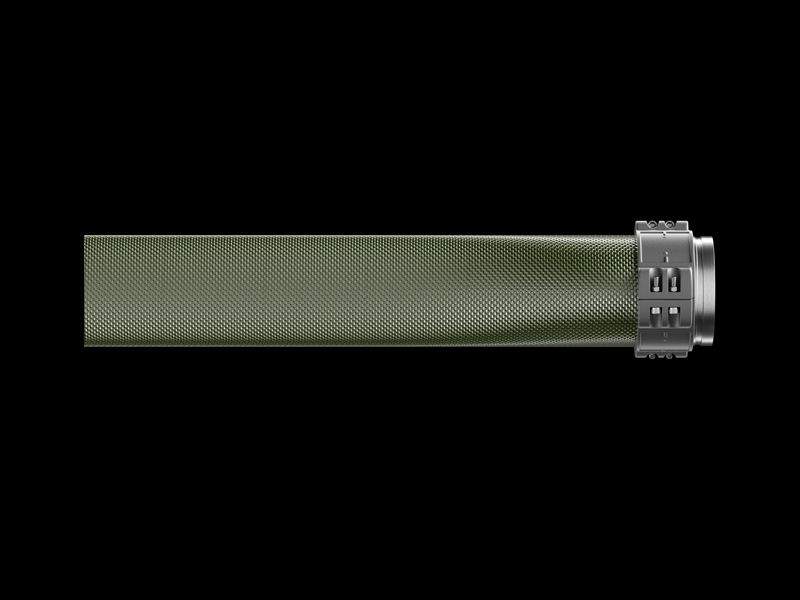
Oil rig systems use several types of high-pressure oil hose, including rotary drilling hose, vibrator hose, choke and kill hose, and mud or cement hose, each with its own typical working pressure. These oil hose assemblies carry drilling mud, cement, and sometimes crude or synthetic oil-based fluids under extreme pulsating pressure and vibration on both land and offshore rigs.[3][4][5][6]
- Rotary drilling oil hose connects the standpipe to the swivel or top drive and must handle high dynamic loads and continuous flexing.[4][3]
- Vibrator oil hose connects the mud pump to the standpipe and experiences intense pulsation and cyclic pressure spikes.[6][7]
- Mud and cement oil hose carries dense, abrasive fluids during circulation and cementing operations.[2][6]
- Choke and kill oil hose operates in critical well-control situations with pressures that can reach 10,000–15,000 psi.[8][4]
In a typical rig layout, a series of oil hose segments links pumps, manifolds, and drilling equipment into one continuous circulating system. Understanding the position and role of each oil hose segment is the first step toward selecting the correct working pressure for safe operation.[9][4]
Different oil hose grades are defined by their working pressure, with safety factors to the burst pressure. On oil rigs, rotary and vibrator oil hose assemblies commonly span from about 1,500 psi up to 10,000 psi working pressure, depending on the service.[5][2]
- Grade A and B rotary oil hose: typically around 1,500–2,000 psi, often used for lighter-duty or water well drilling tasks where loads are moderate.[10][5]
- Grade C rotary oil hose: around 4,000 psi working pressure, supporting deeper or more demanding wells than lower grades.[5]
- Grade D rotary oil hose: about 5,000 psi working pressure and 10,000 psi test pressure, common on many conventional rigs.[1][2]
- Grade E rotary oil hose: about 7,500 psi working pressure and 15,000 psi test pressure for harsh, high-pressure environments.[2][1]
- High-pressure mud, cement, choke, and kill oil hose: may reach 10,000–15,000 psi working pressure in specialized systems.[4][6][1]
These values represent nominal ratings; actual oil hose selection should always consider the maximum expected operating pressure plus a reasonable margin for surges. When in doubt, operators often choose an oil hose with a higher working pressure than the expected maximum to increase safety.[6][9][4]
Oil hose specifications always distinguish between working pressure and burst pressure, and both values are crucial for rig safety. Working pressure is the maximum continuous operating pressure, including normal surges, while burst pressure is the minimum pressure at which the oil hose is expected to fail under test conditions.[9][2][6]
- Many rotary and vibrator oil hose designs use a safety factor of at least 2:1 between working and burst pressure.[2][6]
- A 7,500 psi working-pressure oil hose, for example, might have a 15,000 psi minimum burst rating and be proof-tested above working pressure before use.[11][4]
- For critical choke and kill oil hose, safety margins and test protocols may be even stricter, with detailed inspection and certification procedures.[8][4]
The gap between working and burst pressure helps ensure that short-term spikes do not immediately destroy the oil hose, but operators should never run systems near burst values. Proper set-points on safety valves, relief systems, and pump controls are essential to keep pressure within the safe working range of each oil hose.[4][6][8][9]
The pressure that an oil hose can safely handle depends on its materials, reinforcement, and overall construction. High-pressure oil hose used on oil rigs typically combines an oil-resistant tube, multiple reinforcement layers, and a heavy protective cover.[3][10][6]
- Tube: Nitrile or other synthetic rubber formulations that resist oil-based muds, hydrocarbons, and drilling chemicals flowing inside the oil hose.[10][6]
- Reinforcement: Multiple steel wire braids or spiral-wound wire layers, sometimes combined with textile plies, that provide the oil hose with high tensile and pressure resistance.[6][10]
- Cover: Highly abrasion-, oil-, flame-, and weather-resistant rubber or modified nitrile that shields the oil hose from impacts, UV, and harsh environments.[11][6]
Additional design features such as special bonding between layers, fire-resistant or flame-retardant covers, and integrated leak detection options further enhance oil hose performance. Together, these elements determine how much pressure an oil hose can withstand over its service life, even under repeated flexing, vibration, and temperature cycling.[3][4][6]
Oil rig oil hose assemblies fall under strict industry standards, especially those published by the American Petroleum Institute (API). These standards define design, manufacturing, test, and inspection requirements for various oil hose types used on rigs.[8][3][4]
- API 7K covers rotary drilling oil hose and vibrator hose, including grading, working pressure, testing, and connection requirements.[3][4]
- API 16C covers choke and kill oil hose assemblies involved in well-control operations.[4][8]
- Additional guidelines define procedures for inspection, maintenance, repair, and remanufacture of high-pressure oil hose assemblies.[8][4]
Under these standards, oil hose assemblies are usually hydrostatically tested at 1.5 times their rated working pressure to verify integrity before service. Test results, serial numbers, and inspection histories are documented so operators can trace the performance of each oil hose through its life cycle.[6][4][8]
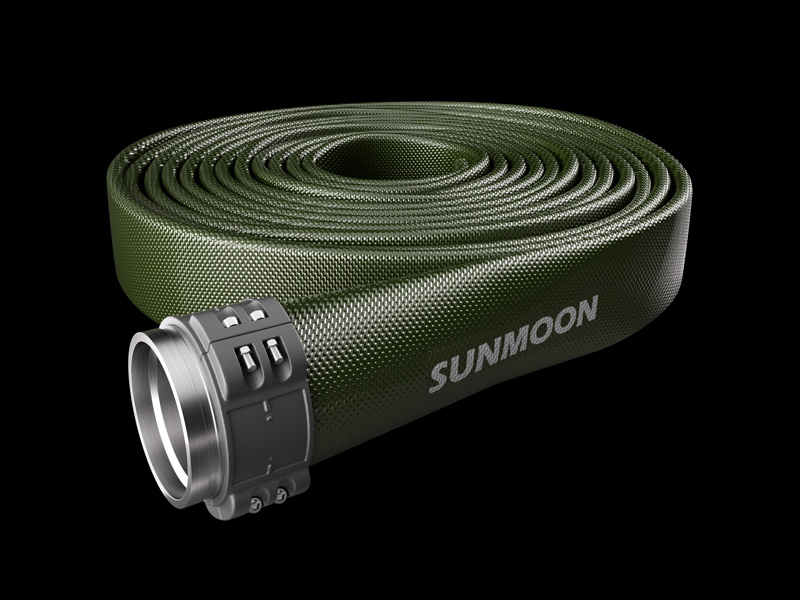
Beyond steel-reinforced rubber oil hose, modern TPU layflat hose solutions now support many oilfield water, fuel, and oil transfer duties around drilling and production sites. TPU layflat oil hose is lighter, more flexible, and easier to deploy over long distances than rigid pipe or heavy rubber hose.[12][13][14]
- TPU layflat hose for industrial fluids can reach working pressures of about 10–28 bar (roughly 150–420 psi), with burst pressures often around three times higher.[14][12]
- Special TPU layflat oil hose is used for temporary oil transfer, refueling operations, and bulk fuel or produced-water transfer in oilfield logistics.[15][16]
- Compared to traditional pipe systems, TPU layflat oil hose typically offers reduced transport weight, faster deployment, and easier retrieval and storage.[13][14]
While TPU layflat hose does not replace 7,500–10,000 psi rotary drilling oil hose on the rig floor, it can significantly improve efficiency in medium-pressure transfer circuits across the site. Choosing the correct TPU layflat oil hose specification helps operators balance pressure capability, handling convenience, and project cost.[12][13][14]
Sunmoon specializes in engineering, developing, and manufacturing TPU layflat hose solutions that support demanding oil and gas operations worldwide. These TPU layflat products function as flexible oil hose options for water, fuel, brine, and certain oil transfer scenarios around drilling, completion, and production facilities.[16][12]
- Sunmoon TPU layflat hose uses high-strength polyester reinforcement and premium TPU compounds for excellent abrasion and cut resistance on rough ground.[13][12]
- Typical working pressures for Sunmoon-type TPU layflat oil hose range from about 150 psi to 420 psi, with burst pressures commonly up to three times the continuous rating.[12]
- Sunmoon can customize oil hose dimensions, pressure classes, colors, lengths, and couplings to match specific rig layouts, pump sizes, and transfer distances.[16][12]
For global customers, Sunmoon positions itself as an engineering-driven oil hose partner that can support project planning, hose system selection, and long-term operational performance. This includes helping operators combine high-pressure rotary oil hose on the rig with TPU layflat oil hose in the surrounding fluid logistics network.[13][12]
Choosing the right oil hose working pressure starts with understanding the actual operating conditions in each part of the system. Underspecifying oil hose pressure can lead to dangerous failures, while overspecifying can unnecessarily increase cost, weight, and handling complexity.[9][4][6]
Key factors to consider include:
- Maximum pump discharge pressure and expected pressure spikes relevant to each oil hose segment.[9][4]
- Fluid type (water-based mud, oil-based mud, cement slurry, fuel, or crude oil), along with temperature and potential chemical exposure inside the oil hose.[3][6]
- Total length, elevation changes, and friction losses, which cause pressure variation along the oil hose circuit.[9]
- Environmental conditions such as ambient temperature, sunlight, mechanical impact, and soil or sea conditions that could affect oil hose performance.[13][6]
For TPU layflat oil hose, it is essential to include surge pressure and pump control logic when calculating the required working pressure. For rotary drilling oil hose and choke and kill hose, following OEM recommendations and formal surge-pressure calculations is mandatory to avoid overstressing the system.[14][12][4][3]
Even a correctly rated oil hose can fail prematurely if installed or handled poorly. Oil rigs therefore rely on best practices for routing, clamping, and protecting each oil hose from external damage and excessive mechanical stress.[4][6][9]
- Avoid tight bends and kinks that exceed the minimum bend radius of the oil hose or introduce torsion into the reinforcement.[6][9]
- Use suitable clamps, hangers, and supports to carry the weight of long oil hose runs and reduce vibrational fatigue.[17][9]
- Keep oil hose away from sharp edges, welding spatter, hot surfaces, or moving parts that can cut or overheat the cover.[13][6]
- Provide sufficient length and flexibility for moving equipment such as top drives and swivels without overstretching the oil hose.[17][4]
For TPU layflat oil hose, careful handling during roll-out and retrieval helps preserve the hose cover and reinforcement. Proper coupling selection and torque procedures are also vital to prevent leaks or end-connection failures in any oil hose system.[14][8][13][4]
Oil hose assemblies need ongoing inspection and scheduled testing to maintain safety and reliability during drilling and production campaigns. Operator policies and standards define how often each oil hose must be visually inspected, pressure-tested, and ultimately retired.[8][4][6]
Key steps include:
- Conducting routine visual inspections to identify cuts, bulges, blisters, exposed reinforcement, corrosion at metal parts, and any oil seepage along the hose body.[6][9]
- Checking ends, clamps, and safety restraints on the oil hose for signs of movement, deformation, or wear.[4][8]
- Performing periodic hydrostatic tests at around 1.5 times the rated working pressure, in line with standards and manufacturer instructions.[4][6]
- Removing from service any oil hose that fails a test or exhibits structural damage, even if it has not yet reached its nominal service life.[8][4]
Detailed maintenance records help operators track how long each oil hose has been in service, how many pressure tests it has passed, and when replacement is due. This proactive approach reduces unplanned downtime and improves the safety profile of the entire oil hose network on the rig and in the field.[9][6][8][4]
Not every fluid transfer task in oil and gas operations requires a 5,000 psi or 7,500 psi rated rotary oil hose. In many auxiliary systems, a well-engineered TPU layflat oil hose solution offers a better balance of performance, flexibility, and cost.[5][12][13][4]
Typical use cases for TPU layflat oil hose include:
- Long-distance water supply and produced-water transfer between pits, tanks, and treatment units.[12][13]
- Temporary fuel and oil transfer lines for generators, pumps, vehicles, and marine refueling tasks.[15][16]
- Bypass lines, emergency transfer arrangements, and temporary networks installed during maintenance or field reconfiguration.[16][13]
Because TPU layflat oil hose is lightweight and compact when reeled, it enables rapid deployment and retrieval, which is particularly valuable in remote or quickly changing projects. With the right pressure class and couplings, it becomes a versatile part of a modular fluid-handling strategy built around both high-pressure and medium-pressure oil hose types.[14][12][13]
To select the best TPU layflat oil hose or complementary high-pressure hose system, Sunmoon encourages customers to define their pressure and application details clearly. Accurate data enables Sunmoon engineers to design oil hose solutions that satisfy both safety margins and operational targets.[12][13]
Key information to provide includes:
- Required working pressure, expected pressure spikes, and applicable standards for the planned oil hose system.[9][4]
- Fluid medium (water, seawater, brine, oil-based mud, fuel, or crude oil), plus temperature range and any special chemical exposure for the oil hose.[3][6]
- Desired hose diameter, length per section, total transfer distance, and layout constraints such as bends or elevation changes along the oil hose route.[12][14]
- Environmental factors including climate, ground or seabed conditions, UV exposure, and mechanical risks around the oil hose installation.[16][13]
With this information, Sunmoon can propose tailored TPU layflat oil hose solutions and, when needed, recommend how to integrate them with other high-pressure oil hose products on site. Global customers benefit from engineering-level support that aligns oil hose selection with pumping capacity, project schedules, and long-term maintenance strategies.[13][12]
Oil rig operations depend on correctly specified oil hose systems that match the true working pressure of each drilling, completion, and auxiliary application. High-pressure rotary, vibrator, and choke and kill oil hose may operate at 5,000–10,000 psi or more on the rig, while TPU layflat oil hose from engineering-driven manufacturers like Sunmoon efficiently handles medium-pressure water, fuel, and oil transfer over long distances. By understanding pressure ratings, construction, standards, installation, and maintenance, operators can select the right oil hose, improve safety margins, and reduce total cost of ownership across the entire fluid-handling network.[1][2][12][6][4][9]
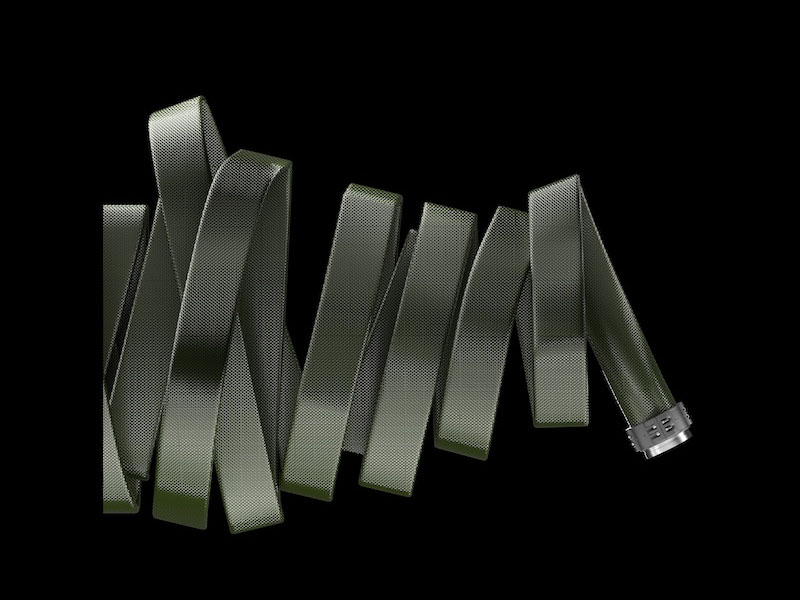
A conventional grade D rotary drilling oil hose commonly operates at about 5,000 psi working pressure with a 10,000 psi test pressure. Higher-grade oil hose designs, such as grade E, can reach around 7,500 psi working pressure with 15,000 psi test pressure for harsher wells.[11][1][2]
Most oil hose products for drilling applications use at least a 2:1 ratio between working and burst pressure. For example, a 7,500 psi rated oil hose typically has a minimum 15,000 psi burst rating in line with API 7K expectations.[2][11][6][4]
TPU layflat hose can serve as an oil hose for many transfer tasks, including water, brine, and various fuels and oils, provided it is compatible with the fluid and correctly pressure-rated. It does not replace 7,500–10,000 psi rotary drilling oil hose but complements high-pressure systems in medium-pressure transfer circuits.[13][16][12]
Inspection and test intervals vary by standard and operator rules, but many guidelines recommend hydrostatic proof testing oil hose assemblies at least every six months or after major events. Tests are typically carried out at around 1.5 times the oil hose working pressure in controlled facilities, with results logged for traceability.[6][8][4]
To select an appropriate TPU layflat oil hose or related product from Sunmoon, operators should specify the required working pressure, fluid type, temperature, hose size and length, and environmental conditions. With complete data, Sunmoon can engineer an oil hose configuration that balances safety, durability, and deployment efficiency for each project.[12][13]
[1](https://aliendrill.com/pressure-rating-of-kelly-hose/)
[2](http://www.worldrigsupply.com/Rotary_Hose_vibrator_hose.html)
[3](https://www.sdbeyondpetro.com/news_detail/119.html)
[4](https://rigrs.com/api-hoses/)
[5](https://pmeindustrial.com/rotary-vibrator-hose-api-7k/)
[6](https://www.alfagomma.com/wp-content/uploads/2024/06/Brochure-High-press-mud-and-cement-EN-13-06-2024.pdf)
[7](http://www.worldrigsupply.com/Vibrator%20_Hose.html)
[8](https://www.api.org/publications-standards-and-statistics/standards-addenda-and-errata/standards-addenda-and-errata/~/media/f1c6818ba39046ecb705ff0bb1799883.ashx)
[9](https://www.dakotafluidpower.com/media/downloads/oilfield_reduce_downtime.pdf)
[10](https://www.kellyhose.com/pdf/different-working-pressures.pdf)
[11](https://oilbaron.com.au/products/rotary-vibrator-and-drilling-hose-api-7k-10-000psi)
[12](https://www.sunhose.com/tpu-layflat-hose/)
[13](https://www.tipsa.com/products/layflat-hose/)
[14](https://products.kuriyama.com/item/polyurethane-discharge-hoses/high-flow-extruded-tpu-layflat-discharge-hose/oftrh-1600)
[15](https://www.somaxflex.com/product/tpu-layflat-hose-for-oil-transfer/)
[16](https://www.hosecraftusa.com/model/UD2_Chemical_Oil_Layflat_Discharge_Hos)
[17](https://sabadrilling.com/products/rotary-system/swivels-rotary-hose/)


