

Views: 222 Author: Sunmoon Publish Time: 2026-05-14 Origin: Site


Reinforced TPU layflat hose generally offers higher burst pressure, better safety margins, and more stable performance under high pressure than double layer PVC layflat hose, especially for demanding industrial and energy applications. Double layer PVC can still be a cost‑effective option for low to medium pressure water transfer where budget is the primary driver and failure risk is lower. [papagenogroup]
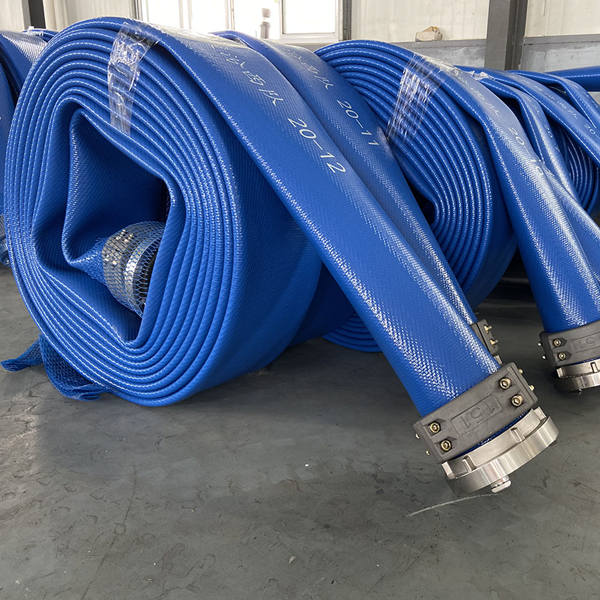
In my daily work with Sunmoon TPU layflat hoses, I have seen firsthand how different hose constructions behave once you push them close to their pressure limits. From frac‑water transfer lines in shale gas fields to long‑distance agricultural pipelines, the burst pressure margin you choose can make the difference between a safe shift and an expensive shutdown. This article compares reinforced TPU layflat hose and double layer PVC layflat hose specifically from the angle of burst pressure, safety factors, lifecycle cost, and real‑world usability. [jafirehose]
Burst pressure is the maximum internal pressure a hose can withstand before it ruptures under controlled test conditions. Working pressure is the recommended continuous operating pressure, usually set at a fraction of burst pressure to provide a safety factor. [jafirehose]
- Many industrial hose manufacturers design for a burst‑to‑working pressure ratio of roughly 3:1 to 4:1 for safety. [jafirehose]
- In practice, that means a hose with 1.0 MPa working pressure will often be engineered to burst at 3.0–4.0 MPa or higher. [etwinternational]
- Pressure spikes, pump start‑ups, and valve slams can easily exceed nominal working pressure, so real‑world burst safety margins matter more than lab numbers.
As a UX‑oriented content strategist working with engineers, I always advise project managers to focus less on "Can this hose reach my working pressure?" and more on "How much buffer do I have above my worst‑case peak pressure?"
A typical reinforced TPU layflat hose uses a high‑tensile synthetic textile jacket (polyester or polyamide) with thermoplastic polyurethane extruded through the weave. This creates a single, homogeneous structure where the TPU bonds intimately around and within the reinforcement yarn. [sunmoonpipe]
- Inner layer: TPU, providing a smooth, abrasion‑resistant, and chemically resistant flow path. [tipsa]
- Reinforcement: Circular‑woven high‑strength polyester/aramid, responsible for tensile strength and burst resistance. [sunmoonpipe]
- Outer layer: TPU again, protecting against cut growth, UV, and mechanical damage. [etwinternational]
Because TPU is extruded through the weave, the hose shows low elongation and controlled expansion even under high pressure, which stabilizes burst behavior. [tipsa]
Double layer PVC layflat hose typically consists of two layers of PVC, sometimes with embedded textile reinforcement between or within the layers. The second PVC layer is intended to improve wear and pressure resistance compared with single‑layer PVC. [plexistab]
- PVC is stiffer and less elastic than TPU, and under sustained high pressure it can creep, thinning the wall over time. [papagenogroup]
- Double layer hoses have better pressure resistance than single layer PVC but can trap air or fluid between the layers if punctured, potentially causing a localized bubble and burst. [plexistab]
- Manufacturers often recommend derating pressure when piercing or modifying double layer hoses, which underscores the sensitivity around burst behavior. [plexistab]
From an engineering perspective, the through‑the‑weave TPU structure is inherently more stable for high burst pressures than two bonded PVC skins that can delaminate or creep.
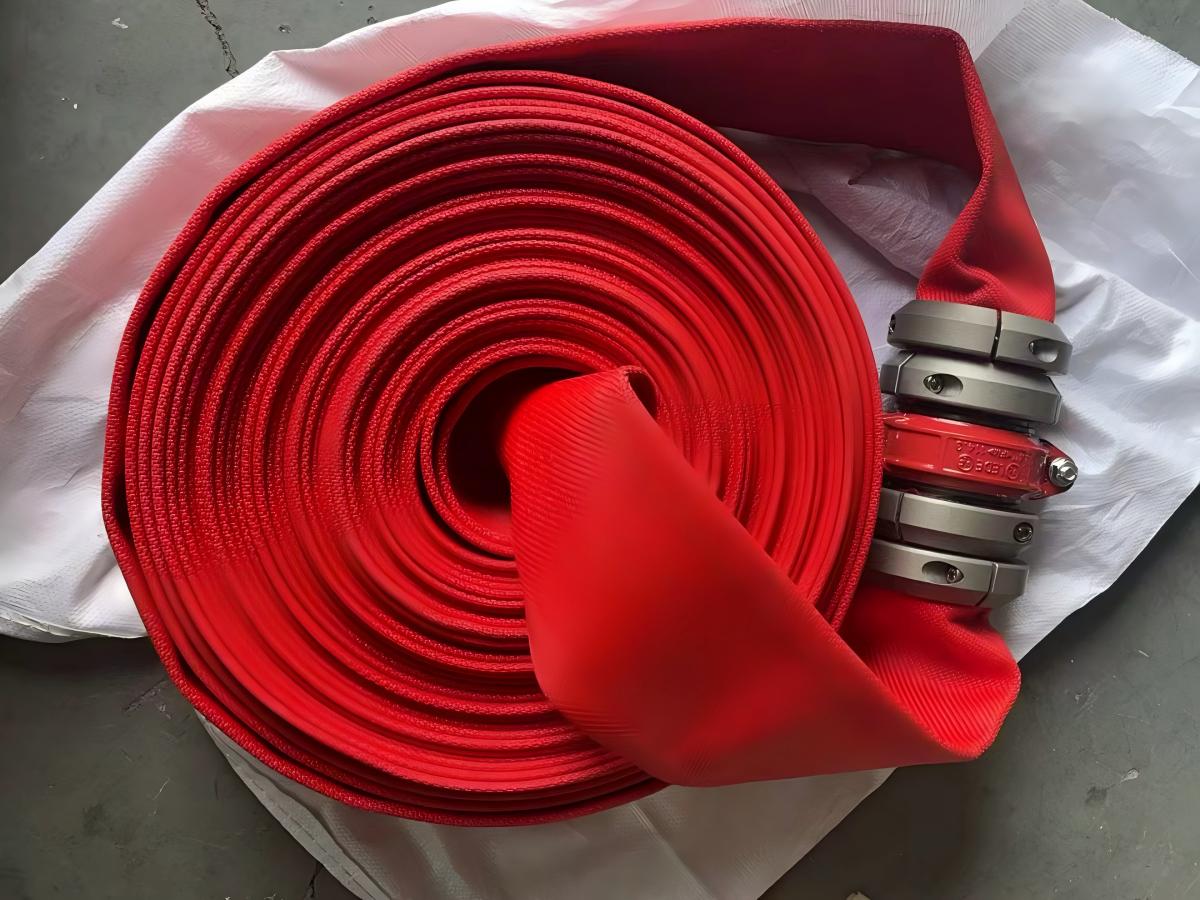
Industry data and Sunmoon's own high‑pressure TPU products show that reinforced TPU layflat hoses are designed for medium to very high working pressures, with burst pressures often 3–4 times higher. [alibaba]
- Standard TPU layflat hoses: working pressures commonly from about 1.0 MPa (145 psi) up to around 3.5 MPa (507 psi) depending on size, with burst pressures around 3x those values. [etwinternational]
- High‑pressure frac and long‑distance transfer hoses (e.g., Sunmoon DN400 1.0 MPa): working pressure 1.0 MPa, bursting pressure around 3.0 MPa. [alibaba]
- Many TPU hoses in the 4–25 bar working range are specified with a minimum 4:1 burst safety factor for demanding applications. [jafirehose]
In practice, this means a reinforced TPU hose can safely absorb repeated surges and maintain structural integrity over a longer service life.
Published data on double layer PVC layflat hoses shows improved burst and working pressures compared with single‑layer PVC, but still below those of reinforced TPU in comparable diameters. [jafirehose]
- PVC layflat hoses are typically recommended for low to moderate working pressures, especially in irrigation and light water transfer. [papagenogroup]
- Double layer designs increase resistance to pressure and abrasion, yet manufacturers warn about bursting risk when the outer layer is pierced and air accumulates between layers, recommending halving the allowable pressure in such scenarios. [plexistab]
- Under cyclic loading, PVC is more prone to creep and wall thinning, which can lower effective burst pressure over time. [jafirehose]
For users, the key takeaway is that double layer PVC can be safe at modest pressures, but its burst margin and long‑term stability under high pressure cannot match a well‑engineered reinforced TPU hose.
From a practical project perspective, I encourage engineers to think in terms of safety factor, not just catalog numbers. Data from TPU hose guides and rubber vs PVC comparisons suggests that a 3:1 working‑to‑burst ratio is a minimum for demanding operations. [jafirehose]
- Reinforced TPU: Commonly engineered with 3:1–4:1 safety factors, plus low elongation and expansion for predictable response to spikes. [sunmoonpipe]
- Double layer PVC: Improved over single layer PVC but more susceptible to localized weaknesses, trapped air, and creep, effectively reducing functional safety factor in harsh conditions. [papagenogroup]
When a pump suddenly ramps up or a valve closes too quickly, those extra MPa of burst capacity in a TPU hose can be the difference between a near miss and a serious failure.
Industry case reports point to different failure modes.
- TPU hoses: When overloaded, they tend to show progressive bulging and controlled rupture, with the textile reinforcement still influencing the failure pattern, making early visual inspection more meaningful. [layflat.midwesthose]
- Double layer PVC hoses: Once a crack or bubble forms between layers, failure can be sudden, particularly if the working pressure was not derated after piercing or damage. [jafirehose]
From a UX and safety training angle, it is easier to teach field teams to monitor TPU hoses for deformation and replace them proactively than to rely on hidden, layer‑to‑layer issues inside double layer PVC.
Thermal performance indirectly affects burst pressure because material strength changes with temperature.
- Reinforced TPU layflat hoses often operate reliably from around −46/−50 °C up to about 80 °C, covering cold climate and hot fluid conditions without embrittlement. [tipsa]
- SUNMOON and other TPU suppliers highlight stable performance in cold weather, where PVC hoses may stiffen and crack. [sunmoonhose]
- PVC hoses are more sensitive to low temperatures, becoming brittle and more likely to crack or burst under pressure when cold. [sunmoonhose]
In extremely cold oilfield or mining environments, reinforced TPU's temperature range directly supports sustained high working pressure and reliable burst margins.
Abrasion and surface damage can dramatically lower real‑world burst pressure.
- TPU layflat hoses have been shown to be up to several times more abrasion resistant than nitrile/PVC blends in standardized tests, and they resist puncture and cut propagation better. [jafirehose]
- Sunmoon's through‑the‑weave TPU construction embeds the reinforcement fully in the TPU, protecting fibers from direct wear and helping the hose retain its rated burst pressure longer. [alibaba]
- PVC, especially under UV exposure and mechanical wear, can crack and thin, which reduces burst capacity over the hose's life. [papagenogroup]
In short, a TPU hose will typically retain more of its original burst rating over time than a double layer PVC hose exposed to the same environment.
Based on field experience and published technical data, reinforced TPU is the preferred option when:
- You run high working pressures (e.g., 1.0 MPa and above) with frequent spikes. [jafirehose]
- The environment involves abrasion, dragging, or harsh terrain, such as shale gas water transfer, mining, or construction. [jafirehose]
- Large diameters (e.g., DN150–DN400) need long‑distance pumping with consistent burst safety margins. [sunmoonpipe]
- You operate in extreme temperatures or need strong chemical and fuel resistance alongside pressure stability. [layflat.midwesthose]
In these projects, the slightly higher initial cost of TPU is usually offset by fewer failures, less downtime, and longer replacement intervals.
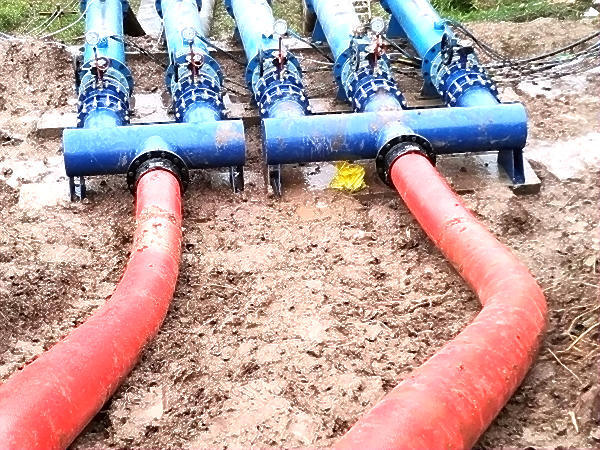
Double layer PVC can be considered when:
- Working pressure is relatively low to moderate and well below the hose's rated burst pressure, even after conservative derating. [jafirehose]
- The hose is used mainly for seasonal irrigation, temporary water transfer, or drainage with limited mechanical abuse. [papagenogroup]
- Budget is tight and the lowest acquisition cost is more important than long‑term durability or high safety margins.
In these cases, double layer PVC can still be a rational choice, but you need to apply strict installation rules (especially when piercing the hose) and conservative safety factors.
To provide some practical value beyond theory, here is a step‑by‑step framework I often use with engineering teams when choosing between reinforced TPU and double layer PVC based on burst pressure:
1. Define maximum working pressure, including spikes
- Use pump curves and valve settings to estimate the worst‑case transient pressure, not just nominal operating pressure. [jafirehose]
2. Apply a safety factor of at least 3:1
- For critical industrial work, aim for 4:1 using reinforced TPU to account for ageing, temperature, and handling damage. [etwinternational]
3. Match hose structure to risk level
- Choose reinforced TPU when failure consequences are high (environmental fines, safety risk, production loss). [tipsa]
- Consider double layer PVC only when risk is low and monitoring is easy. [plexistab]
4. Derate for temperature, bending, and fittings
- Reduce allowable working pressure if the hose runs near its temperature limits, over sharp bends, or with fittings that concentrate stress. [sunmoonhose]
5. Plan inspection intervals
- With TPU hoses, schedule routine inspections to check for bulging or abrasion and replace before burst margin is compromised. [layflat.midwesthose]
This kind of disciplined sizing approach is where Sunmoon's engineering support can add real value for global customers who may be scaling up to higher‑pressure systems.
As a Chinese manufacturer focused on TPU layflat hoses and high‑pressure flat hose systems, Sunmoon designs products specifically for applications where burst pressure and safety margins are critical. [bs.tpulayflatpipe]
- Sunmoon TPU hoses use high‑tensile polyester jackets with through‑the‑weave TPU extrusion, achieving strong burst performance and dimensional stability. [alibaba]
- Large‑diameter lines, such as DN400 TPU hoses with 1.0 MPa working pressure and 3.0 MPa burst pressure, are tailored to long‑distance high‑flow transfer. [sunmoonpipe]
- The company supports custom lengths, diameters, colors, and pressure ratings, helping customers align hose design with the required safety factor for their projects. [bs.tpulayflatpipe]
From an E‑E‑A‑T perspective, Sunmoon combines manufacturer‑level testing data with real project feedback from shale gas, mining, municipal, and agricultural users, which informs continuous design improvements. [bs.tpulayflatpipe]
| Aspect | Reinforced TPU Layflat Hose | Double Layer PVC Layflat Hose |
|---|---|---|
| Typical working pressure range | Medium to very high, commonly around 1.0–3.5 MPa depending on size jafirehose | Low to moderate, suited to irrigation and light water transfer papagenogroup |
| Typical burst safety factor | Often designed with 3:1–4:1 ratios jafirehose | Improved over single PVC but effectively lower, especially after damage or piercing papagenogroup |
| Failure mode | Gradual bulging and controlled rupture; easier to monitor jafirehose | Risk of hidden bubbles between layers and sudden burst after surface damage jafirehose |
| Temperature range | Wide range, roughly −46/−50 °C to ~80 °C for many products sunmoonhose | More sensitive to low temperatures; stiffening and cracking can reduce burst strength sunmoonhose |
| Abrasion and fatigue | High abrasion and puncture resistance; maintains burst rating longer jafirehose | More prone to wear, creep, and UV‑related cracking over time papagenogroup |
| Best suited applications | High‑pressure oilfield, mining, municipal, long‑distance transfer jafirehose | Cost‑sensitive, low‑risk water transfer and seasonal irrigation papagenogroup |
If your project involves high working pressure, long distances, or critical uptime, moving from double layer PVC to reinforced TPU layflat hose can significantly increase your burst pressure safety margin, reduce failure risk, and lower long‑term operating cost. Sunmoon's engineering team can help you size the right TPU hose diameter, reinforcement level, and safety factor based on your actual pump curves and terrain. [jafirehose]
You can share your current hose specification (diameter, length, working pressure, fluid type, and environment), and we will propose a customized reinforced TPU layflat solution that balances burst pressure, weight, and budget for your exact application. [bs.tpulayflatpipe]

Q1: How much higher is the burst pressure of reinforced TPU compared with double layer PVC?
In similar diameters, reinforced TPU layflat hoses often deliver significantly higher working pressures and are designed with 3:1–4:1 burst safety factors, whereas PVC hoses are typically limited to lower working pressures and effectively smaller safety margins. [jafirehose]
Q2: Is double layer PVC ever safe enough for industrial projects?
Yes, for low‑pressure, low‑risk applications like short‑distance water transfer or seasonal irrigation, double layer PVC can be adequate if you apply conservative working pressures and carefully follow manufacturer rules, especially after piercing or repairs. [jafirehose]
Q3: How do temperature extremes impact burst pressure?
TPU maintains flexibility and structural integrity across a wide temperature range (down to about −46/−50 °C and up to around 80 °C), which helps preserve burst pressure, while PVC becomes brittle at low temperatures and can lose strength under heat and UV exposure. [sunmoonhose]
Q4: What safety factor should I use when selecting a layflat hose?
For demanding industrial environments, many experts recommend at least a 3:1 safety factor, and often 4:1 when using reinforced TPU, to account for pressure spikes, ageing, and handling damage; lower safety factors are risky for PVC in high‑pressure roles. [etwinternational]
Q5: Can Sunmoon customize TPU hoses for my existing PVC system?
Yes, Sunmoon offers customized reinforced TPU layflat hoses in various diameters, wall thicknesses, colors, and pressure ratings, allowing you to retrofit an existing PVC system with higher burst pressure and longer service life while keeping your pumps and fittings. [bs.tpulayflatpipe]
1. Sunmoon Hose – Cold Weather Performance: TPU vs. PVC Layflat Hoses at −40 °C. [Link] [sunmoonhose]
2. Papageno Group – Differences between PVC Layflat Hose and TPU Layflat Hose. [Link] [papagenogroup]
3. JAFirehose – 8‑Inch TPU Lay Flat Hose: Pressure Ratings & Safety Factors. [Link] [jafirehose]
4. JAFirehose – Rubber Layflat Hose vs PVC: Durability for High‑Pressure Irrigation. [Link] [jafirehose]
5. TPU Layflat Hose Technical PDF. [Link] [layflat.midwesthose]
6. Sunmoon – High Pressure TPU Frac Layflat Hose. [Link] [sunmoonpipe]
7. China Layflat Hose – TPU Layflat Hose Product Overview. [Link] [china-layflat-hose]
8. JAFirehose – The Ultimate Guide to TPU Lay Flat Hoses: Benefits, Uses, and Selection Tips. [Link] [jafirehose]
9. Sunmoon Blog – TPU vs. NBR vs. PVC: How to Choose the Right Layflat Hose. [Link] [sunmoonlayflathose]
10. ETW – Layflat Hose, TPU: Specifications and Burst Pressure Data. [Link] [etwinternational]
11. Plexistab – Make a Choice: Single or Double Layer Layflat Hoses. [Link] [plexistab]
12. TIPSA – Oroflex Reline TPU Hose Technical Data. [Link] [tipsa]
13. Sunmoon TPU Layflat Hose – Alibaba Product Data (DN400 1.0 MPa Working, 3.0 MPa Burst). [Link] [alibaba]
14. Sunmoon Corporate Blog – High‑Pressure Hose Solutions and Case Studies. [Link] [bs.tpulayflatpipe]


